

Top Questions to Ask Your Ophthalmologist Before Treatment
October 4, 2025
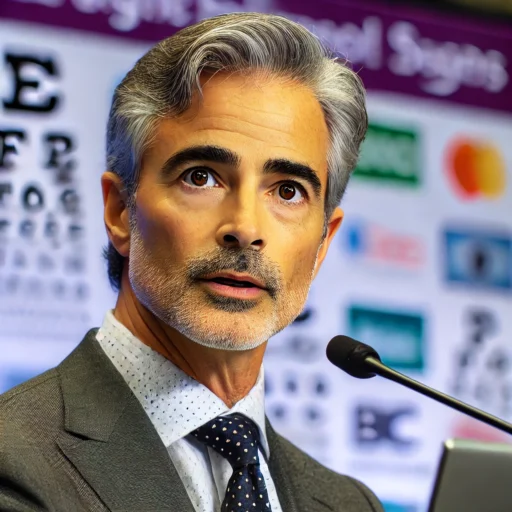
Dr Shaun Segal




Eyes are considered as one of your most important senses, and in this case, you should make a good choice in terms of how to take care of it. Whether it is that you are going to an ophthalmologist to have a regular check-up or a more specialized eye condition, knowing what questions to ask pre-treatment can make or break your knowledge as well as your results.
Ophthalmology in 2025 will also have improved and developed faster, with the introduction of modern diagnostic devices, laser-guided surgery, and the minimum invasive operations that will save and enhance sight. However, despite all these innovations, the dialogue between the patient and the doctor is essential.
Dr Shaun Segal is a well-respected Ophthalmologist in Kingswood and the opinion he holds is that an empowered patient is an informed one. The right questions should not only be used to establish trust but also so that all patients know their condition, the treatment options available and what they should expect during the recovery period.
When you are intending to visit an eye specialist in the near future here are the best questions you need to pose before you commence any treatment with your ophthalmologist.
What Is the Precise Diagnosis of the Eye Condition?
The question that you need to ask the first and the most important question is, What exactly is wrong with my eyes?
Effective treatment is based on the correct diagnosis.
There are numerous eye ailments which can be overlapping like cataracts, glaucoma, macular degeneration or dry eye syndrome which can have similar symptoms like blurred vision, irritation or discomfort. Knowing the exact cause would assist you in making the correct decisions in the future.
Dr Shaun Segal is a qualified ophthalmologist in Kingswood and constantly makes sure that his patients are well informed about the diagnosis. He consists of sophisticated imaging and diagnostic technology to enable the patients see what he sees and make the process more transparent and reassuring.
What Can I do? What Are My Treatment Options?
After knowing your diagnosis the next thing is to know how you can be treated.
Certain eye disorders might demand surgery whereas others could be treated using drugs, lifestyle change, or laser.
Ask your ophthalmologist:
- Exist there exist non-surgical options?
- What are advantages of both treatments? What are disadvantages?
- What is the strategy that should be employed in my case?
There are a lot of minimally invasive approaches in ophthalmology in 2025, and your ophthalmologist can assist you to select a treatment strategy and approach that fits your health, way of life, and comfort level.
What is your level of exposure to this procedure or treatment?
Experience counts – and particularly where your eyes are concerned. You should not be afraid to inquire of your ophthalmologist about whether they are knowledgeable in doing the treatment that they are prescribing.
Questions like:
- What number of these procedures have you carried out?
- What are your complication and success rates?
Only a mature expert such as Dr Shaun Segal who has several years of clinical experience in the field of ophthalmology can tell what happened and why, why his technique was safe and effective. It is not only about ability, but proper knowledge and accuracy in each particular situation.
Which are the potential dangers and complications?
There is no treatment and surgery that is risk-free. Despite the latest technologies, there are complications like infection, inflammation or temporary disturbances in vision.
It’s important to understand:
- What are the most frequently used side effects?
- How likely are they to occur?
- What should be done in case of complications?
Dr Shaun Segal is careful to ensure that his patients are well informed about the advantages as well as the risk of any given procedure. By speaking about it publicly, you are able to make a well-balanced choice and prepare both psychologically and physically to the process.
How Did the Recovery Process Work?
The time taken to recover may be different depending on the type of treatment. To illustrate the point, cataract surgery may take a few days of rest before it heals whereas the eye surgeries may take more time.
You should ask:
- When would I be in a position to normalize?
- Do you have any post-treatment limitations?
- Will follow-up visits or further care be necessary?
Clear understanding of the process of recovery allows you to plan in advance and take care of expectations. In his ophthalmology practice in the Kingswood area, Dr Shaun Segal gives elaborate documentation of post-treatment care, so that the patients can have pain and difficulty-free recovery.
Am I Going to Require Continuous or Repeated Therapies?
Certain eye diseases such as the glaucoma or diabetic retinopathy may demand constant observation and even regular medication. There are those that can be solved through one procedure.
Inquire of your ophthalmologist whether your condition is chronic or curable and the type of follow-up that is required.
Dr Shaun Segal highlights the need to have continuous care and education of patients. He aims at making sure that the patients do not only get good treatment; they are also informed on how to keep their eyes healthy in the long-term by checking up and taking preventive care.
How About the Situation of Not Receiving the Treatment on Time?
In other times, the patients are afraid or doubtful to initiate the treatment. Nevertheless, it is possible that some eye disorders can cause permanent visual impairment when the medical attention is delayed.
The schedule of your condition, its urgency, should be explained to you by your ophthalmologist:
- Should there be urgent treatment?
- What are the risks of waiting?
- Is the problem aggravated by the absence of treatment?
Firstly, it is important to remember what Dr Shaun Segal regularly tells his patients; early diagnosis and timely treatment can go a long way in saving the sight, particularly in progressive conditions such as glaucoma or macular degeneration.
Do I Have To Change my Lifestyle?
Healthy eyes are not confined to the clinic. The way you lead your life, with regard to diet, screen time, sleep as well as sun protection has a significant role in healthy eyes.
Ask questions like:
- Are there certain foods that can help me to recover?
- Is it better to settle the screen time or have frequent eye breaks?
- What can I do to shield my eyes against light of UV or blue light?
As a proactive ophthalmologist based in Kingswood, Dr Shaun Segal advises patients to take holistic lifestyle changes that would complement medical interventions and help them maintain good visual health in the long term.
What Are the Costs Involved, and Does It Have Insurance?
Openness of prices is equally relevant as the knowledge of the treatment itself. Ask about:
- The overall price of the process or the continuing treatment.
- Any other extra costs on diagnostic tests or follow-ups.
- Whether you are on Medicare or a private health insurance coverage.
This is important to know in advance so that you will not be caught unawares in the future.
What Can I Do to Take Care of My Eyes after the Treatment?
Once treatment has done the trick, the next thing that you will consider is keeping your vision healthy.
Request preventive measures and symptoms to observe in future to your ophthalmologist.
Dr Shaun Segal offers patients tailor made eye care plans such as regular checkups, preventive precautions and advice on how to identify the early warning signs. His patient-first mentality keeps making the eye health a life long promise and not a temporary remedy.
The Importance of Asking Questions.
As an active participant in your healthcare, you help to improve the relationship between you and your ophthalmologist. When you ask the right questions you become clear, confident and even peaceful in your decisions concerning your treatment.
Patient education is the central part of successful ophthalmology in 2025 – and practitioners such as Dr Shaun Segal in Kingswood are committed to not only giving you the expert medical care, but also information that makes you feel informed and supported throughout the process.
Final Thoughts
Your eyes are the most valuable element and that is where communication should start. It is always worthwhile to have an open conversation with your ophthalmologist before you begin any eye treatment or surgery to air out what you are asking or enquiring about.
When a person has a reliable expert such as Dr Shaun Segal – Ophthalmologist in Kingswood, he or she can be assured that all the decisions are informed by experience, accuracy, and sincerity.
Then the next time you go to your eye doctor, you will take these questions with you – informed patients will make the best decisions to their vision and their future.