

Top Eye Diseases You Should Be Aware of in 2026
July 20, 2026
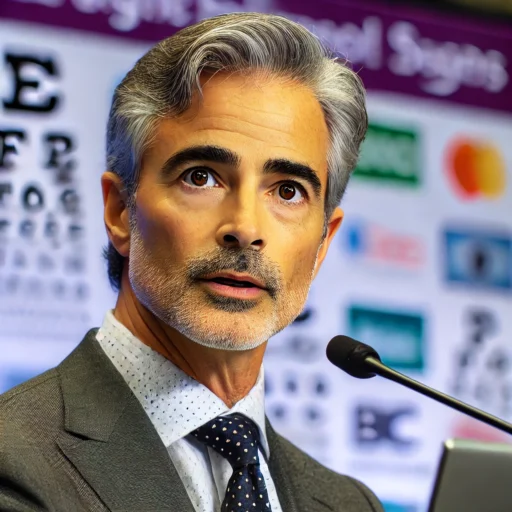
Dr Shaun Segal


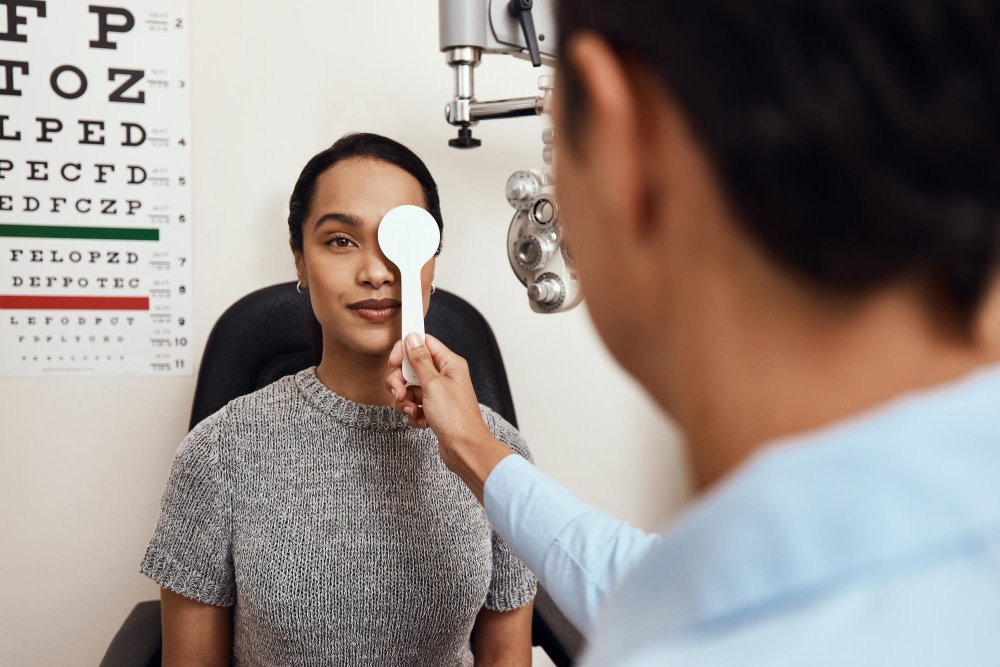

Vision is one of our most valuable senses, yet it is often taken for granted until problems arise. In 2026, with increasing screen time, aging populations, and changing lifestyles, eye health has become more important than ever. Being aware of common eye diseases can help in early detection and timely treatment, preventing long-term complications. Experienced ophthalmologists like Dr Shaun Segal emphasize the importance of regular eye check-ups and proactive care to maintain healthy vision.
Why Eye Health Awareness Matters in 2026
Modern lifestyles have significantly impacted eye health. Prolonged use of digital devices, exposure to environmental pollutants, and unhealthy habits can increase the risk of eye diseases. Early diagnosis plays a crucial role in preserving vision, and awareness is the first step toward prevention.
Dr Shaun Segal, with over 20 years of experience in ophthalmology, highlights that many serious eye conditions can be managed effectively if detected early. Understanding the symptoms and risks associated with these diseases can make a significant difference.
1. Cataracts
Cataracts remain one of the leading causes of vision impairment worldwide. This condition occurs when the natural lens of the eye becomes cloudy, leading to blurred or dim vision.
Common Symptoms:
- Blurry or cloudy vision
- Sensitivity to light
- Difficulty seeing at night
- Faded or yellowish colors
In 2026, advancements in surgical techniques have made cataract treatment safer and more effective. Dr Shaun Segal ensures accurate diagnosis and recommends timely intervention to restore clear vision.
2. Glaucoma
Often referred to as the “silent thief of sight,” glaucoma is a serious eye disease that can lead to permanent vision loss if left untreated. It is usually caused by increased pressure within the eye, damaging the optic nerve.
Common Symptoms:
- Gradual loss of peripheral vision
- Eye pain or pressure (in advanced cases)
- Blurred vision
- Halos around lights
Glaucoma often develops without noticeable symptoms in its early stages, making regular eye examinations essential. Dr Shaun Segal emphasizes early detection and consistent monitoring to prevent irreversible damage.
3. Age-Related Macular Degeneration (AMD)
As the population ages, age-related macular degeneration (AMD) has become more common. This condition affects the central part of the retina, leading to loss of central vision.
Common Symptoms:
- Blurred or distorted central vision
- Difficulty reading or recognizing faces
- Dark or empty spots in vision
In 2026, improved diagnostic tools help detect AMD earlier than ever before. Dr Shaun Segal uses advanced techniques to monitor and manage this condition, helping patients maintain their quality of life.
4. Diabetic Retinopathy
With the rise in diabetes cases globally, diabetic retinopathy has become a major concern. This condition occurs when high blood sugar levels damage the blood vessels in the retina.
Common Symptoms:
- Fluctuating or blurred vision
- Dark spots or floaters
- Vision loss in advanced stages
Regular eye screenings are crucial for individuals with diabetes. Dr Shaun Segal advises patients to manage their blood sugar levels and undergo routine eye check-ups to detect changes early and prevent complications.
5. Digital Eye Strain
A modern-day issue, digital eye strain has become increasingly common due to excessive screen time. While not always serious, it can significantly impact daily comfort and productivity.
Common Symptoms:
- Dry or irritated eyes
- Headaches
- Blurred vision
- Neck and shoulder pain
In 2026, digital eye strain is one of the most reported eye concerns. Dr Shaun Segal recommends simple preventive measures such as the 20-20-20 rule, proper lighting, and regular breaks from screens to reduce strain.
The Role of Regular Eye Check-Ups
One of the most effective ways to protect your vision is through regular eye examinations. Many eye diseases develop gradually and may not show symptoms until they reach an advanced stage.
Dr Shaun Segal stresses that routine check-ups allow for:
- Early detection of eye conditions
- Timely treatment and management
- Monitoring of existing conditions
- Prevention of long-term vision loss
Preventive Tips for Healthy Eyes
Maintaining good eye health requires a proactive approach. Here are some simple yet effective tips:
- Schedule regular eye exams
- Maintain a balanced diet rich in vitamins
- Protect your eyes from UV exposure
- Limit screen time and take frequent breaks
- Manage underlying health conditions like diabetes
By following these steps, you can reduce the risk of developing serious eye diseases.
Conclusion
In 2026, awareness and prevention are key to maintaining healthy vision. Conditions like cataracts, glaucoma, macular degeneration, diabetic retinopathy, and digital eye strain are among the most common eye diseases that individuals should be aware of.
With over two decades of experience, Dr Shaun Segal continues to provide expert care and guidance to help patients protect their eyesight. His patient-focused approach, combined with advanced technology, ensures accurate diagnosis and effective treatment.
Taking care of your eyes today can make a significant difference in your quality of life tomorrow. Regular check-ups, early detection, and professional guidance are essential steps toward long-term eye health.