

The Future of Eye Care in 2026: Insights from Dr Shaun Segal
June 2, 2026
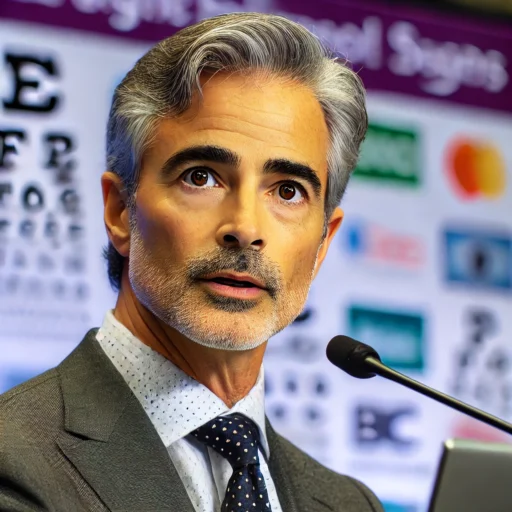
Dr Shaun Segal


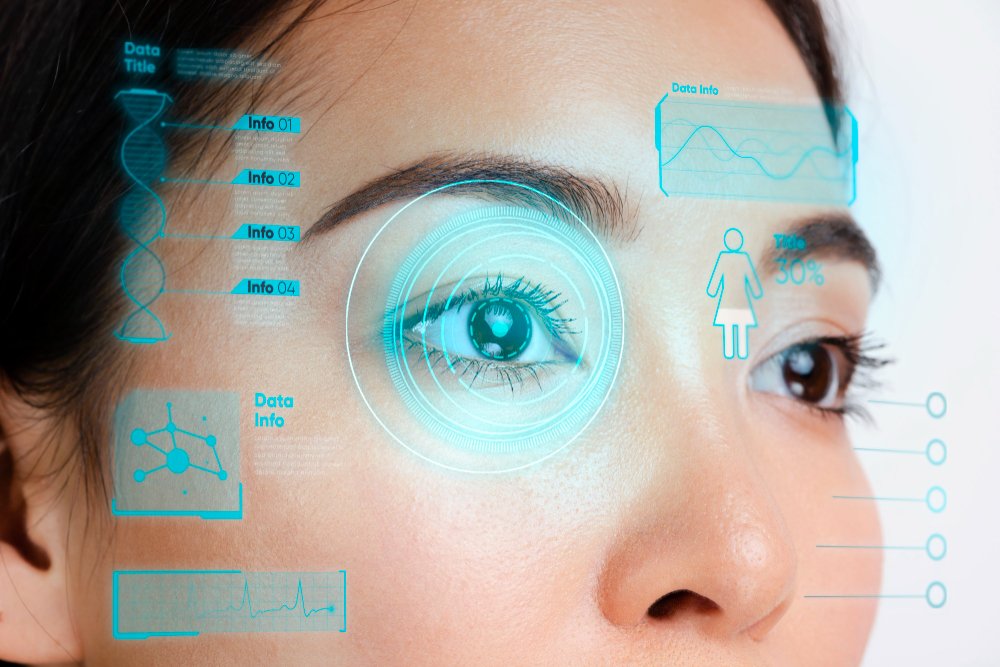

The field of ophthalmology is evolving at an extraordinary pace, driven by technological innovation, changing lifestyles, and a growing awareness of preventive healthcare. As we step into 2026, eye care is no longer limited to routine checkups and corrective lenses—it has transformed into a highly advanced, patient-centered discipline focused on early detection, precision treatment, and long-term vision preservation.
With over 20 years of experience, Dr Shaun Segal shares valuable insights into how the future of eye care is shaping up and what patients can expect in the coming years.
A Shift Toward Preventive Eye Care
One of the most significant trends in 2026 is the growing emphasis on preventive eye care. Instead of waiting for symptoms to appear, patients are now encouraged to undergo regular screenings to detect issues early. Conditions such as glaucoma, macular degeneration, and diabetic retinopathy can develop silently, making early diagnosis critical.
Preventive care also includes lifestyle awareness. Increased screen time, poor sleep habits, and environmental factors are contributing to rising cases of eye strain and vision problems. As a result, ophthalmologists are focusing on educating patients about daily habits that protect vision in the long run.
The Role of Artificial Intelligence in Diagnosis
Artificial intelligence (AI) is revolutionizing the way eye conditions are diagnosed. In 2026, AI-powered tools can analyze retinal scans, detect abnormalities, and assist in identifying diseases with remarkable accuracy. These systems help ophthalmologists make faster and more precise decisions, improving patient outcomes.
AI is particularly useful in detecting early-stage diseases that may not be visible during a standard examination. This technology is not replacing doctors but enhancing their ability to provide accurate and timely care.
Advanced Surgical Techniques
Surgical procedures in ophthalmology have become more refined and minimally invasive. Techniques such as laser-assisted cataract surgery and advanced LASIK procedures offer improved precision, reduced recovery time, and better visual outcomes.
In 2026, patients can expect shorter procedure times and quicker returns to daily activities. Innovations in surgical tools and imaging systems allow ophthalmologists to customize treatments based on each patient’s unique eye structure.
Personalized Treatment Plans
Every patient’s eyes are different, and modern eye care reflects this understanding. Personalized treatment plans are becoming the standard, with ophthalmologists tailoring solutions based on individual needs, lifestyle, and medical history.
From customized contact lenses to targeted therapies for specific conditions, the focus is on delivering care that is both effective and comfortable. This patient-centered approach ensures better results and higher satisfaction.
Managing Digital Eye Strain
With the increasing use of digital devices, digital eye strain has become one of the most common concerns in 2026. Prolonged exposure to screens can lead to symptoms such as dryness, blurred vision, and headaches.
Ophthalmologists now recommend practical solutions such as the 20-20-20 rule, proper screen positioning, and the use of blue light filters. Regular eye checkups are essential for individuals who spend long hours in front of screens, especially professionals and students.
Tele-Ophthalmology: Convenience Meets Care
Telemedicine has expanded into ophthalmology, making eye care more accessible than ever. Tele-ophthalmology allows patients to consult specialists remotely, receive preliminary assessments, and follow up on treatments without visiting a clinic.
This approach is particularly beneficial for individuals in remote areas or those with mobility challenges. While not all conditions can be managed online, teleconsultations are a valuable addition to traditional care.
Innovations in Vision Correction
Vision correction has seen remarkable advancements in recent years. Beyond traditional glasses and contact lenses, new technologies are offering more permanent solutions. Laser vision correction procedures have become safer and more effective, with improved accuracy and long-lasting results.
Additionally, innovations such as implantable lenses and smart contact lenses are shaping the future of vision correction. These developments provide patients with more options to achieve clear and comfortable vision.
Increased Awareness of Eye Health
Public awareness about eye health is growing rapidly. People are becoming more proactive about protecting their vision and seeking professional advice. Campaigns, digital content, and community initiatives are playing a key role in educating individuals about the importance of regular eye exams.
In 2026, eye care is not just about treatment—it’s about awareness, prevention, and maintaining a high quality of life.
The Human Touch in a Tech-Driven World
Despite all the technological advancements, the human aspect of eye care remains essential. Building trust, understanding patient concerns, and providing personalized attention are still at the core of effective treatment.
Experienced ophthalmologists combine advanced technology with compassionate care, ensuring that patients feel confident and supported throughout their journey.
Conclusion
The future of eye care in 2026 is defined by innovation, precision, and a strong focus on prevention. From AI-driven diagnostics to personalized treatments and advanced surgical techniques, the field is evolving to meet the needs of modern patients.
As eye health becomes increasingly important in a digital world, staying informed and proactive is key. Regular checkups, healthy habits, and timely intervention can make a significant difference in preserving vision for years to come.
With continuous advancements and a patient-first approach, the future of ophthalmology is brighter than ever—offering clearer vision and better quality of life for all.